



School chairs
High-quality school chairs for healthy seating for students
High-quality school chairs form the foundation of every modern classroom. When selecting chairs, it is crucial to consider not only aesthetics but, above all, ergonomics and durability, which ensure students maintain proper posture throughout the entire learning process. The range includes models designed with students’ varying ages and heights in mind, thereby minimizing fatigue and increasing concentration in the classroom. Properly selected seating directly influences the comfort and healthy development of young people’s spines.
Continue
Tovar v kategorií
Material
Name
Legs
Type
Metal construction made of tubular profile 38 x 20 mm with powder coating (assortment of 11 comaxit colours)
Metal construction made of tubular profile 38 x 20 mm with powder coating (assortment of 11 comaxit colours)
Metal construction from pipe profile 38 x 20mm with powder coating (assortment of 11 comaxit colours)
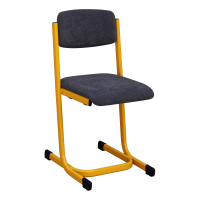
Metal construction from pipe profile 38 x 20mm with powder coating (assortment of 11 comaxit colours)
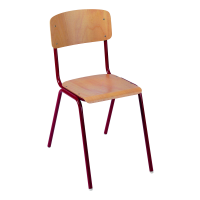
Metal construction made of tubular profile 22mm with powder coating (assortment of 11 comaxit colours)
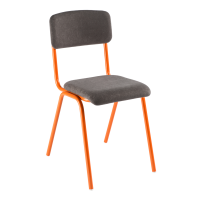
Metal construction made of tubular profile 22mm with powder coating (assortment of 11 comaxit colours)
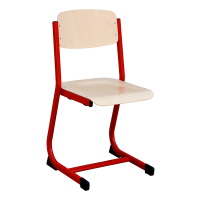
Metal construction made of pipe profile 38 x 20mm with powder coating (assortment of 11 comaxit colours
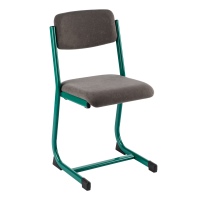
Metal construction made of pipe profile 38 x 20mm with powder coating (assortment of 11 comaxit colours)
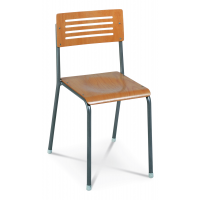
Metal construction made of tubular profile 22mm with powder coating (assortment of 11 comaxit colours)
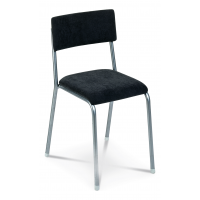
Metal construction made of pipe profile 22mm with powder coating (assortment of 11 comaxit colours)
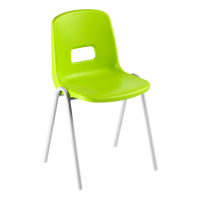
Tubular metal construction, diameter 22 mm, surface treatment with baked powder paints (komaxit), selection from RAL
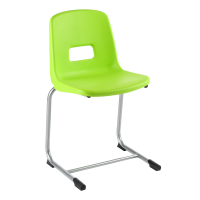
pipeconstruction avg 22mm, cantilever form, RAL powder coating, plastic seat. Size 6
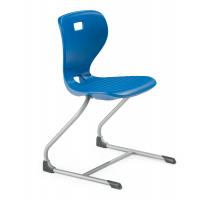
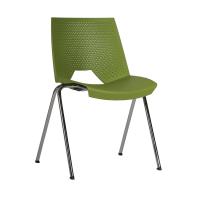
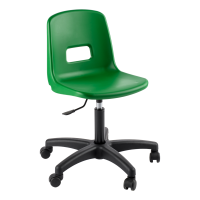
Chair with all-plastic seat of different colours, height adjustable by means of gas piston, five-arm plastic cross with wheels
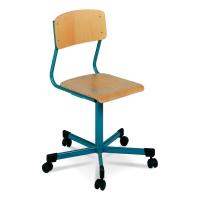
Metal construction made of tubular profile, with a lower five-arm cross with wheels and powder coating (assortment of 11 comaxit colours)
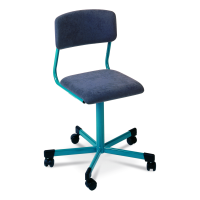
Metal construction made of tubular profile, with a lower five-arm cross with wheels and powder coating (assortment of 11 comaxit colours)
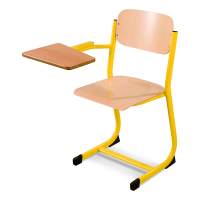
Metal construction made of pipe profile 38 x 20mm with powder coating (assortment of 11 comaxit colours)
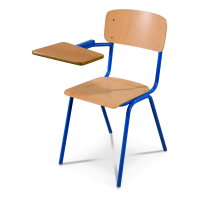
Metal construction made of pipe profile 38 x 20mm with powder coating (assortment of 11 comaxit colours)
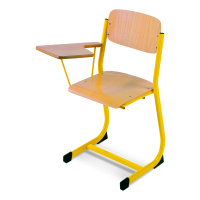
Metal construction made of pipe profile 38 x 20mm with powder coating (assortment of 11 comaxit colours)
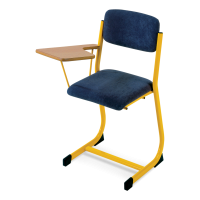
Metal construction made of pipe profile 38 x 20mm with powder coating (assortment of 11 comaxit colours)
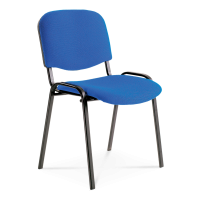
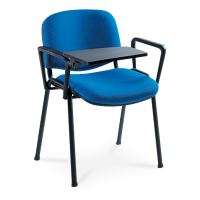
Black metal construction. Chair feet are ended by plastic end pieces which absorb noise
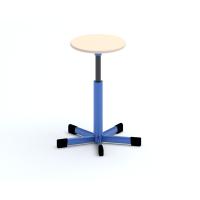
Metal structure made of tubular profile, with lower five-arm cross made of flat-rolled profile with glides, powder-coated (komaxit), choice from RAL. The seat is made of MDF. The chair is adjustable in height by means of an embedded screw.
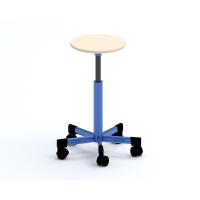
Metal structure made of tubular profile, with lower five-arm cross made of flat-oval profile with wheels, powder-coated (komaxit), choice from RAL. The seat is made of MDF. The chair is adjustable in height by means of an embedded screw.
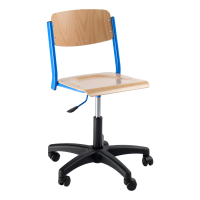
Stabile steel construction from pipe profile 38 x 20mm with powder coating (assortment of 11 comaxit colours)
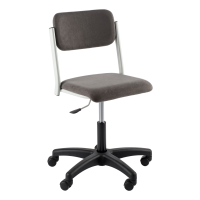
The frame of the chair is made of 38x20mm flat profile, seat and backrest are made of beech plywood, upholstered in grey fabric , 5-arm plastic cross with castors, height adjustment with gas piston. The chair is swivel.
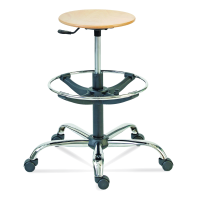
Height adjustable chair without backrest, designed for workshops and vocational classrooms. Seat made of beech plywood, chrome base, castors, possibly height-adjustable extension
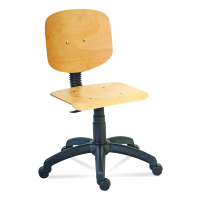
Workshop chair with beech plywood seat and backrest, plastic base with castors (gliders), adjustable seating depth, backrest height, fixed backrest angle, adjustable by gas piston
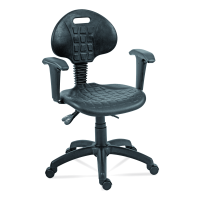
Polyurethane workshop chair, plastic base with castors (gliders), adjustable seat depth and backrest height, fixed backrest angle, height adjustable by gas piston
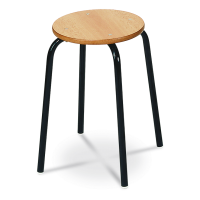
Metal construction of working chair is welded from pipe profiles with diameter of 22mm. The surface is treated by baked powder colours of different shades
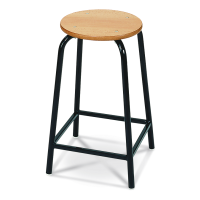
Metal construction of working chair is welded from pipe profiles with diameter of 22mm (reinforced in the lower part)
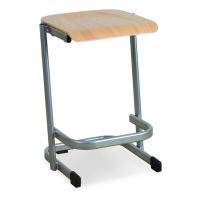
Stabile steel construction made of pipe profile 38 x 20mm with powder coating (assortment of 11 comaxit colours)